The Questions Parents Ask Us The Most
Choosing to send your child to a residential soccer academy is one of the biggest decisions a sports parent can make. You’re not just choosing a football programme, you’re choosing how your child is educated, who supervises them, and what their daily life looks like for months at a time.
Over time, we’ve noticed the same questions coming up again and again from parents considering Bali SBK. Some are about football, but most are actually about everything else: the academics, the logistics, the safeguards, the timeline.
So, here are the answers to the questions parents ask us most often, in a bit more depth than our FAQ page, because these decisions deserve more than a one-line response.
“Will my child’s education suffer?”
This is the question we hear the most. And it should be the first one, because if the academic side isn’t solid, it has long-term consequences for your child’s future.
The short answer is that no, your child’s education won’t suffer. In many cases, it improves, because the structure, individual attention, and accountability at Bali SBK exceed what many students experience in mainstream schools.
Our academic programme is delivered in partnership with Laurel Springs School, a fully accredited online private school (WASC and Cognia accredited) that offers an NCAA-approved Cambridge International curriculum (IGCSEs and A-Levels). Laurel Springs has rolling admissions, meaning there are no fixed start dates. Your child doesn’t have to wait for a new term to begin coursework (Laurel Springs, “Flexible School Year”).
Here’s what the academic structure looks like in practice:
- Two-hour study blocks built into every weekday — this isn’t “fit it in when you can.” It’s scheduled, supervised, and prioritised.
- Certified tutors running live video sessions through Laurel Springs.
- An academic mentor assigned to each student, tracking grades, NCAA paperwork, and application milestones.
- Progress dashboards accessible to parents at any time — you can see exactly how your child is performing.
- Self-paced, asynchronous coursework — students learn at their own speed, not locked to a class pace.
The 5-month and 10-month enrolment periods are specifically designed to align with NCAA eligibility requirements (Laurel Springs, NCAA-Approved School). So, every hour of study is simultaneously building toward a Cambridge qualification AND ticking boxes on the NCAA 16-core-course checklist.
“Can my child start mid-year?”
Yes. Because Laurel Springs runs on rolling admissions, your child can begin at multiple points throughout the year. The two intake windows we see most often are:
- August — aligning with the European, Indonesian, and international school calendar. Most schools in Bali start between 11–31 August.
- January–February — aligning with the Australian school calendar. In 2027, Australian Term 1 starts between 27 January (Queensland) through to the first week of February (most other states).
We also accept short-stay and holiday camp enrolments year-round, subject to availability. See our enrolment page for current options.
“What does a normal day actually look like?”
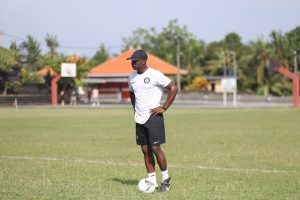
Here’s an actual Tuesday schedule:
| Time | Activity |
| 6:00–6:30 AM | Wake, targeted stretching, individual recovery |
| 6:30–8:00 AM | Optional early ball work / individual technical practice |
| 8:00–10:00 AM | Ball mastery session — cone drills, ABCs, positional awareness |
| 10:00–12:00 PM | Academic study block (Laurel Springs online coursework) |
| 12:00–1:00 PM | Lunch (nutritionist-designed meal) |
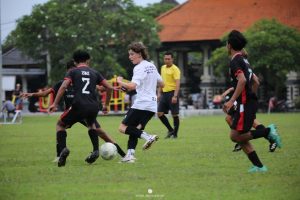
| 1:00–3:00 PM | Tactical and possession-based session — small-sided games, formation work |
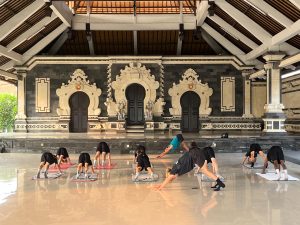
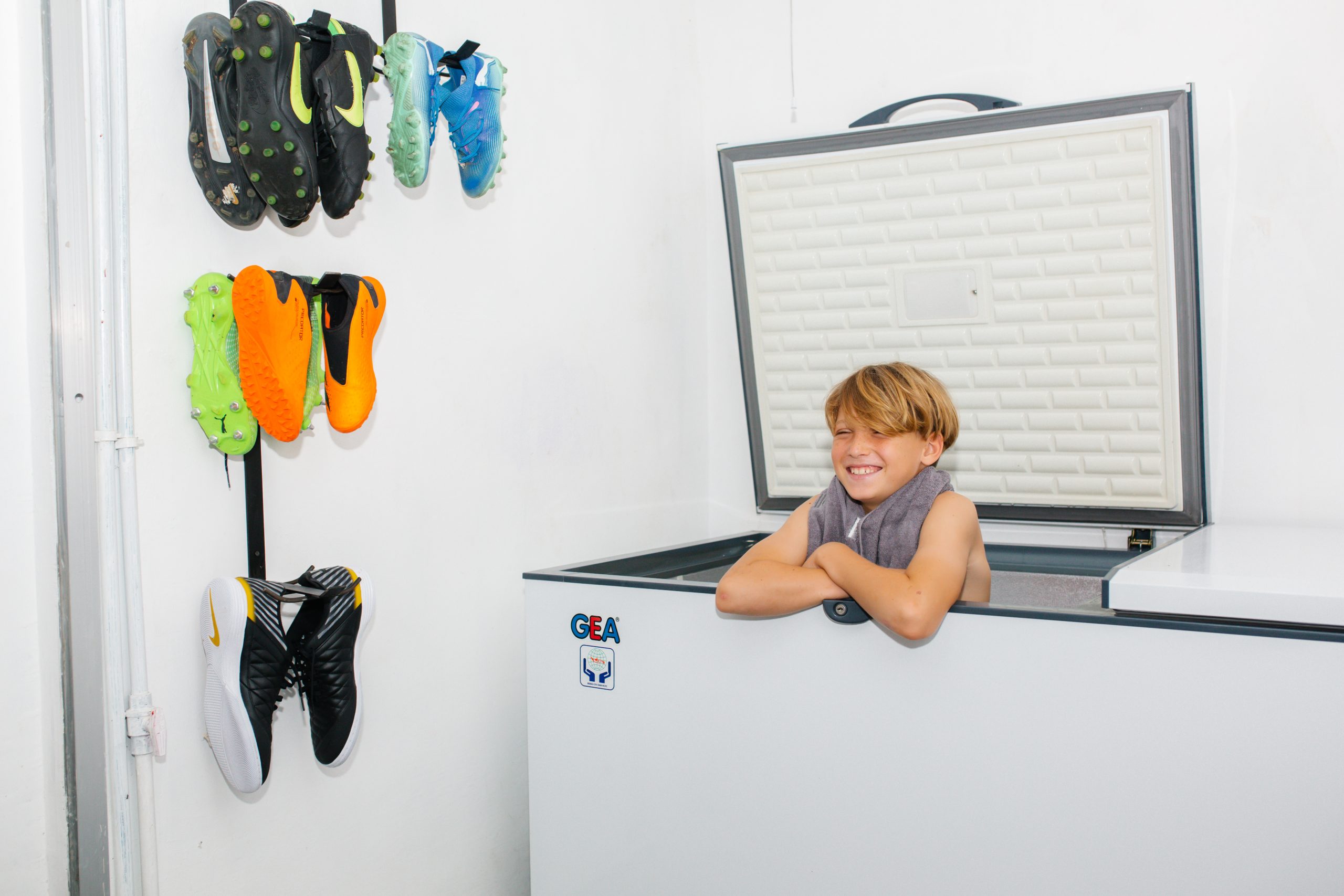
| 3:00–4:00 PM | Recovery — ice baths, sauna, foam rolling, or yoga |
| 4:00–5:00 PM | Second academic study block / independent study |
| 5:00–6:00 PM | Mental performance work — breathing, journaling, mindfulness |
| 6:00–7:00 PM | Dinner |
| 7:00–9:00 PM | Free time / social / additional study |
| 9:30 PM | Lights out |
Saturdays are match days, travel or rest. Sundays are active recovery, reflection, and preparation.
“My child is 13. Is that too young? My child is 16. Is it too late?”
Neither. The development window for a footballer spans from early childhood through late adolescence, and different stages require different things.
At 13, a player has time to build the technical foundation, tactical understanding, and academic record that feeds into all three pathways. Starting early means more years of structured development and more data for pathway planning.
At 16, a player is entering the window where pathway decisions become real — MLS trials, college recruiting, European assessments. What matters at 16 isn’t “did you start at age 8?” It’s “are you in the right environment right now?” If the answer is yes, the remaining development window is productive. If the answer is no, every month in the wrong environment is a month lost.
The NCAA’s new age-based eligibility model (finalised June 2026) gives student-athletes up to five years of competition, with the eligibility clock starting the academic year after they turn 19 or upon first full-time college enrolment — whichever comes first (NCAA.org). This means planning the academic and athletic timeline in the mid-teen years is more important, not less.
“How do parents stay informed?”
We don’t expect parents to hand their child over and hope for the best. We actively involve you. The communication structure includes:
- Academic progress dashboards — real-time access to grades and coursework completion
- Regular coach feedback — verbal and written assessments of football development
- Academic mentor check-ins — ongoing dialogue about grades, NCAA paperwork, and application milestones
- Open communication — parents can contact coaching and academic staff directly
“What if my child gets injured?”
Injury is part of sport. Bali SBK’s approach to injury management includes:
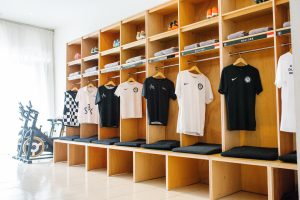
- Recovery infrastructure — ice baths, sauna, and yoga are built into the daily schedule, not reactive treatments
- Modified training — injured players continue attending sessions in modified roles (observation, tactical learning, mental skills work) so development continues even when physical training is limited
- Communication — parents are notified immediately in the event of any injury
“Can my child pursue a professional pathway AND a college scholarship?”
Yes. And we actively encourage it. The technical training that prepares a player for an MLS trial is the same training that makes them attractive to college recruiters. The academic preparation that secures NCAA eligibility is the same preparation that keeps European options open. The pathways are complementary, not exclusive.
A player targeting an MLS trial at 16 can simultaneously be building the GPA, test scores, and core-course record for a college scholarship at 18. Keeping both doors open is pragmatic. Professional football careers are unpredictable, and the families who plan for multiple outcomes give their children the best chance of long-term success.
“What’s the next step?”
If you’ve read this far, you’re probably serious. Here’s what we’d suggest:
- Visit balisbk.com/register-now and submit an enquiry
- Schedule a call with Coach Brandon and the academic mentor — we’ll discuss your child’s age, level, academic standing, and goals
- Arrange a short-stay if you’d like your child to experience the programme before committing to a full term
- Complete the enrolment pack — all paperwork, including Laurel Springs registration and NCAA eligibility checklist, is handled with our support
Contact: info@balisbk.com or WhatsApp +62 819‑4625‑9102
Sources
- Laurel Springs School — Flexible enrollment and rolling admissions: laurelsprings.com
- Laurel Springs School — NCAA-approved school for student-athletes: laurelsprings.com
- Queensland Department of Education — 2027 future school dates: education.qld.gov.au
- NCAA — Division I age-based eligibility model: ncaa.org
- Cambridge International — US exam dates and deadlines: cambridgeinternational.org