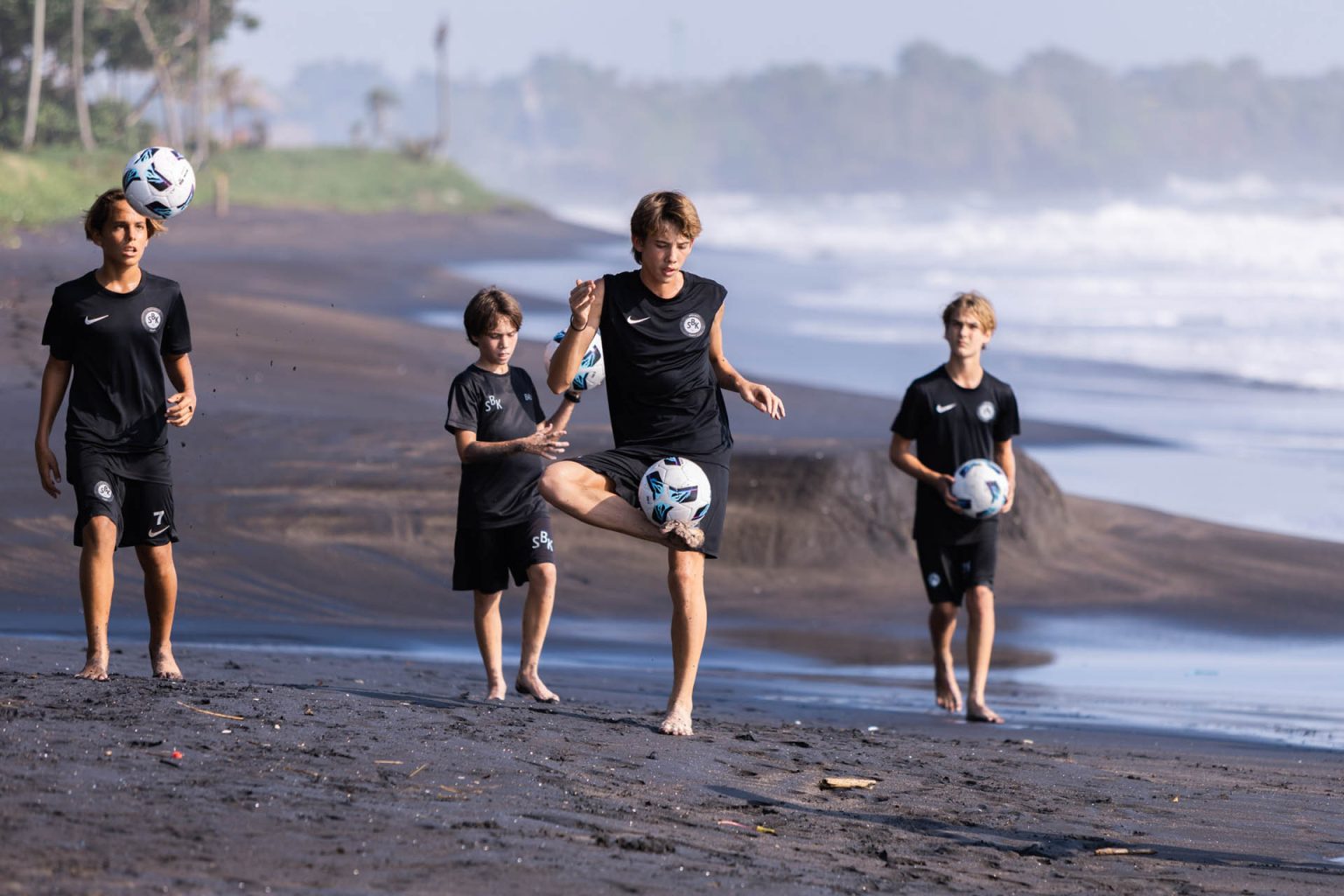
Research from Australia and the United States shows that the Long‑Term Athlete Development (LTAD) model produces healthier, more motivated young players in soccer or other sports. LTAD pairs age‑appropriate training, early multi‑sport exposure, and a gradual rise in sport‑specific intensity. At Bali SBK, Head Coach Brandon McDonald turns that research into a clear, step‑by‑step pathway for every age group.
The Age‑Based Youth Player Progression
From the moment a child steps onto the field, the program follows a logical sequence. Young beginners (roughly five to ten years old) spend time playing fun games that build basic motor skills and expose them to a variety of sports. As they move into the “learning to train” phase (about ten to thirteen), drills become more structured, and light strength and agility work is introduced. Between the ages of thirteen and fifteen, the focus shifts to sport‑specific tactics, moderate training loads, and injury‑prevention routines. At this age, recovery becomes a stronger focus, too. From fifteen onward, sessions become high‑intensity, emphasising competition strategy and mental‑skill work, while older teens receive elite periodisation, recovery planning, and career guidance. Each stage builds naturally on the last, keeping development sustainable and enjoyable.
Core Development Pillars Backed by Science
Technical & Tactical Mastery: Deliberate, feedback‑rich practice beats sheer “hours played.” Small‑sided games (3‑v‑3, 4‑v‑4) sharpen decision‑making faster than full‑field scrimmages.
Physical Conditioning & Injury Prevention: The FIFA 11+ Kids program cuts overall injuries by roughly 48 % and serious injuries by about 74 % for kids aged seven to fourteen. Ongoing neuromuscular work, on balance, core stability, and plyometrics, adds extra joint protection.
Psychological Growth: Structured sport environments nurture discipline, grit, and teamwork. Goal‑setting worksheets and coach‑player debriefs boost confidence and long‑term motivation.
Nutrition & Recovery: Around 1.2 g of protein per kilogram of body weight and proper hydration support growth, especially during the peak height‑velocity window (approximately twelve to fourteen). Getting nine or more hours of sleep each night is linked to better sprint performance and fewer fatigue‑related injuries. Recovery should be actively emphasised.
What Parents Should Look For in Youth Development
A good academy pairs qualified coaches with a transparent development philosophy. At Bali SBK, Coach Brandon’s reputation reflects not just his high skill level as a former soccer player but also his dedication to his charges. He is adamant that all Bali SBK youth athletes receive both skill development and character building.
As a direct consequence of his experience as a pro and holistic approach as a coach, the curriculum aligns daily sessions with LTAD stages. The training options move from playful weekly sessions for the youngest soccer players to our full academic stream for dedicated youth development athletes. It’s a rare find, and not just in Bali.
Proven injury‑prevention protocols, like the FIFA 11+ Kids warm‑up, keep players on the field. Frequent and open dialogue means families stay informed, while balanced competitive exposure (international tournaments and friendlies, local games) builds tactical awareness without overloading the child.
For those who are ready to commit and challenge themselves, there’s the option to sign up for the full-time dual-track stream, combining academic and sports focus as a pathway to scholarships.
Practical Parenting Takeaways
If you are the lucky parent of an enthusiastic and talented young player, here’s how you can support:
- Celebrate effort, not just outcomes. However, this doesn’t mean “everybody gets a trophy”. Genuinely celebrate and encourage your child. Setting goals and learning about trajectories to success is an important life skill. By celebrating effort, we mean encouraging your child to aim high, while celebrating their dedication and work.
- Track weekly load. It is easy to get carried away. To prevent injuries and burnout, help your child experience their sport positively. Keep it varied for younger kids. Aim for ten hours or less for ages ten to thirteen. Then, work with a coach who pays close attention to individual player development.
- Stay involved: It’s easy to get too busy and think attending games is encouraging to your child. Attend at least one session each month to see the coaching methods firsthand and witness how your child is doing.
- Maintain balance: Sport is a great vehicle for self-development, but, especially in younger children, it requires balance. You should ensure school, hobbies, and sleep get priority.
- Ask focused questions: If you’re considering joining a new program, check how the program aligns with LTAD stages, the specific injury‑prevention routines used, and how progress is measured.
Join the Bali SBK Community
Choosing an academy that blends research‑driven training with a supportive community gives your child the best chance to love the game today and stay healthy, motivated, and capable for tomorrow’s challenges. We believe our parent feedback says it best: “Head coach Brandon is world‑class. SBK levelled up my son’s football skills, but more than that: it instilled discipline and grit.”
“My son says training at SBK is hard but worth it. The camaraderie and serious training push him to improve every day.”
Ready to see how the Bali SBK approach fits your child’s stage? Reach out for a trial session or a personalised discussion.
The journey to a stronger, smarter, happier soccer player starts here.