Why a Structured Development Path Matters
Research from Australia and the United States shows that a focus on long‑term athlete development (LTAD) is the gold‑standard for helping kids grow into healthy, skilled, and motivated soccer players. The LTAD model stresses age‑appropriate training, multi-sport sampling in early years, and a gradual increase in sport‑specific intensity once a child’s biological and training age are ready. We’ve closely adapted these principles in our approach to training kids at different ages, all under the guidance of Head Coach Brandon McDonald.
Key Focus and Typical Age Range
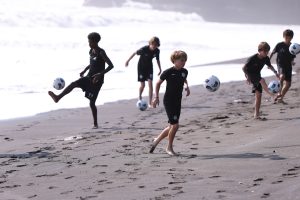
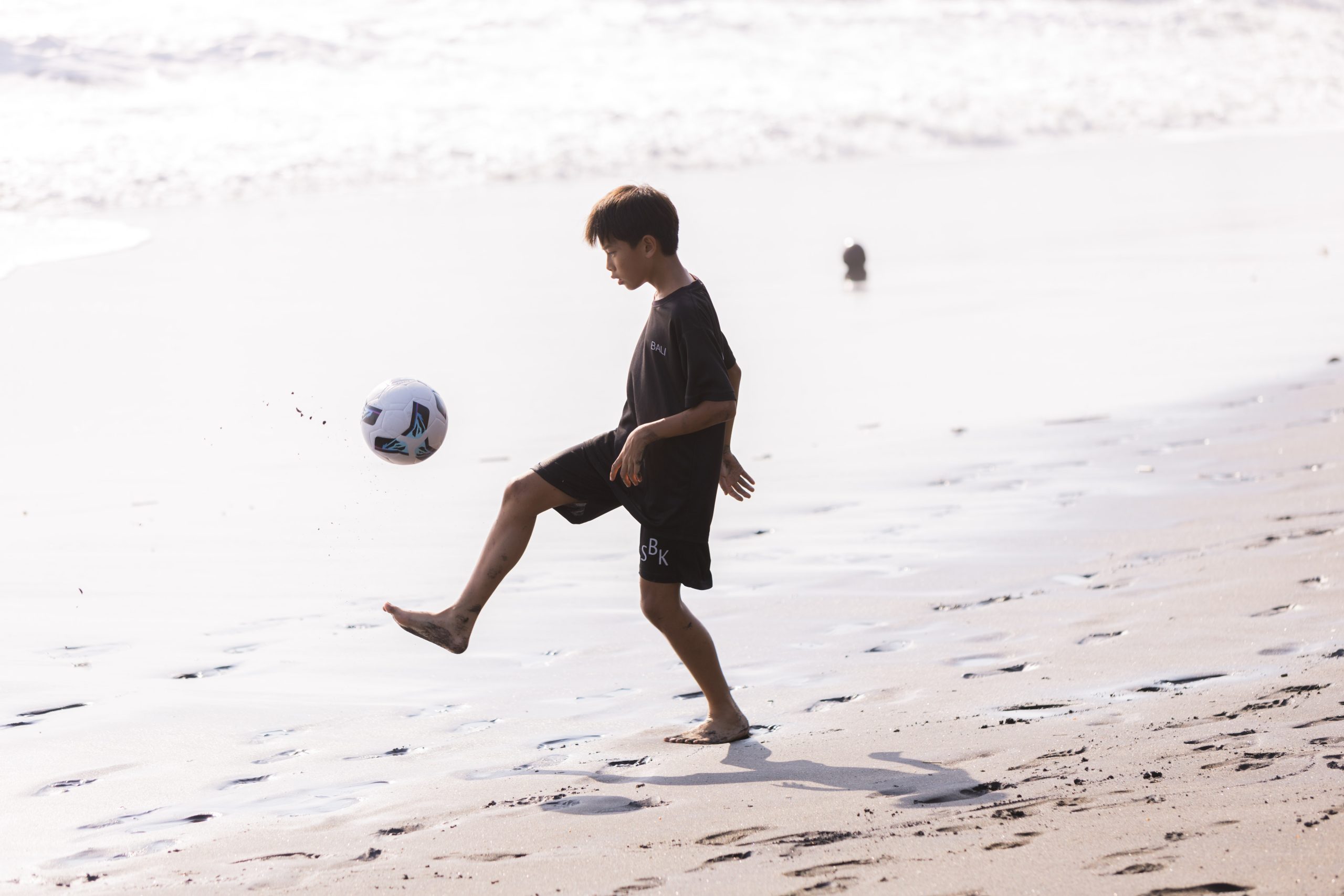
Following the recommended LTAD progression reduces burnout, lowers injury risk, and maximises the chance of reaching elite levels later on. It essentially allows kids and teens to explore soccer youth development pathways on the appropriate terms. At Bali SBK, we offer a playful and supportive approach from an early age with weekly drop-in sessions, developing into a more focused academic schedule and ten weekly training sessions for our teens. We believe in engaging our young charges and also offer plenty of focus on recovery, rest, nutrition, and mindset.
| Development Stage | What to Focus On | Typical Age Range |
|---|---|---|
| Fundamentals / Sampling | Fun games, basic motor skills, exposure to several sports | 5‑10 yr |
| Learning to Train | Structured technical drills, light strength & agility work | 10‑13 yr |
| Training to Train | More sport‑specific tactics, moderate load, injury‑prevention programs | 13‑15 yr |
| Training to Compete | High‑intensity sessions, competition strategy, mental skills | 15‑18 yr |
| Training to Win / Retain | Elite‑level periodisation, recovery, career planning | 18+ yr |
Evidence‑Based Pillars of Youth Soccer Success
Technical & Tactical Skill Development
- Deliberate practice (focused, feedback‑rich drills) is more important than sheer “hours played.” Quality of practice outweighs the classic “10 000‑hour” myth .
- Small‑sided games (3‑v‑3, 4‑v‑4) improve decision‑making and ball‑control faster than full‑field scrimmages .
Physical Conditioning & Injury Prevention
- The FIFA 11+ Kids program cuts overall injury risk by ~48 % and serious injuries by ~74 % in children aged 7‑14 yr .
- Consistent neuromuscular training (balance, core stability, plyometrics) builds joint stability and reduces ankle/knee injuries—a crucial component of any LTAD plan .
Psychological Growth & Life Skills
- Structured sport environments foster discipline, grit, and teamwork. Parents repeatedly hear that Bali SBK’s approach “instilled discipline and grit” in their children .
- Goal‑setting, self‑reflection journals, and coach‑player debriefs improve confidence and long‑term motivation .
Nutrition & Recovery
- Adequate protein (≈1.2 g/kg body weight) and hydration support growth phases, especially during the peak height velocity window (around ages 12‑14) when injury risk spikes .
- Sleep ≥ 9 h/night correlates with better sprint performance and reduced fatigue‑related injuries .
What Parents Should Look For in a Soccer Academy
| Feature | Why It Matters | How Bali SBK Meets It |
|---|---|---|
| Qualified Coaching Staff | Coaches with certifications and a track record of player development ensure safe, progressive training. | Head Coach Brandon is described as “world‑class” and praised for raising both skill and character . |
| Clear Development Philosophy | Aligns daily sessions with LTAD stages, avoiding premature specialization. | Bali SBK follows a “structured, supportive environment” that balances technical work with personal growth . |
| Injury‑Prevention Protocols | Reduces missed weeks and long‑term health issues. | The academy incorporates “hard but rewarding” training that emphasizes safety and proper technique . |
| Parent Communication | Regular progress reports keep families informed and engaged. | Testimonials highlight frequent updates (“they count on me, I cannot miss practice”) indicating strong coach‑parent dialogue . |
| Competitive Exposure | Balanced match play builds tactical awareness without over‑loading. | Bali SBK offers “holiday camps” and “regular training programs” that blend competition with learning . |
Sample Weekly Micro‑Cycle for a 12‑Year‑Old (LTAD Phase: Learning to Train)
| Day | Session Focus | Duration | Key Drills |
|---|---|---|---|
| Mon | Technical – Ball mastery | 60 min | Inside‑foot passing circuits, dribbling gates |
| Tue | Strength & Mobility | 45 min | Body‑weight squats, lunges, dynamic stretches |
| Wed | Tactical – Small‑sided game | 70 min | 4‑v‑4 possession, transition drills |
| Thu | FIFA 11+ Kids injury‑prevention | 20 min | Core stability, balance hops |
| Fri | Mental Skills | 30 min | Goal‑setting worksheet, visualization |
| Sat | Match day (controlled) | 80 min | 7‑v‑7 friendly, post‑game debrief |
| Sun | Rest / Active recovery | — | Light swimming or family walk |
Adjust volume (minutes) upward by ~10 % each month as the player’s training age increases, always monitoring fatigue and soreness.
Practical Tips for Parents
- Encourage Play, Not Pressure – Celebrate effort and learning milestones rather than wins alone.
- Monitor Load – Keep a simple log of weekly training hours; aim for ≤ 10 h/week for ages 10‑13 to avoid overuse injuries .
- Stay Involved – Attend at least one training session per month to understand the coach’s methods and ask about progress.
- Promote Balanced Lifestyle – Ensure time for school, hobbies, and rest; a well‑rounded child stays motivated longer.
- Ask the Right Questions – When speaking with Bali SBK staff, inquire about:
- How the program aligns with LTAD stages.
- Specific injury‑prevention routines used.
- How they measure technical and psychological development.
Experience the Bali SBK Way
Youth soccer thrives when science‑backed training meets a nurturing community. By choosing an academy like Bali SBK—where experienced coaches such as Brandon apply LTAD‑aligned curricula, injury‑prevention protocols, and a focus on character—you give your child the best chance to enjoy the beautiful game today and stay healthy, motivated, and capable for tomorrow’s challenges.
We believe our Bali SBK family parents say it best: “Head coach Brandon is world‑class. SBK leveled up my son’s football skills, but more than that: it instilled discipline and grit.”
“My son says training at SBK is hard but worth it. The camaraderie and serious training push him to improve every day.”
Ready to find out more? Feel free to reach out to Bali SBK for a trial session or to discuss how our program can be tailored to your child’s current stage.